The 2025/26 People & Planet University League ranks 147 UK universities against 14 criteria linked to climate and social justice. Universities receive award classes that follow the typical grading system in UK higher education, from 1st, 2:1, 2:2, 3rd and Fail.
Universities across the UK have taken bold steps in support of migrant rights. This year’s data reveals an increase of 116% of universities who have divested from private companies profiting from controlling, surveilling and preventing the movement of people seeking sanctuary. This marks an important step in delegitimising the border industry, following pressure from student groups across the country.
8 new universities have added momentum to the rapidly growing movement to end recruitment ties with the fossil fuel industry - an increase of 80% since last year. This means that 18 universities, or 12% of the sector, are now refusing to advertise roles with fossil fuel companies to their students. This is a major step forward for student-led campaigns to end fossil fuel recruitment, which demand that universities cut their ties with the industry most responsible for the climate emergency and recognise that a just transition will require the phase-out of fossil fuel industry jobs.
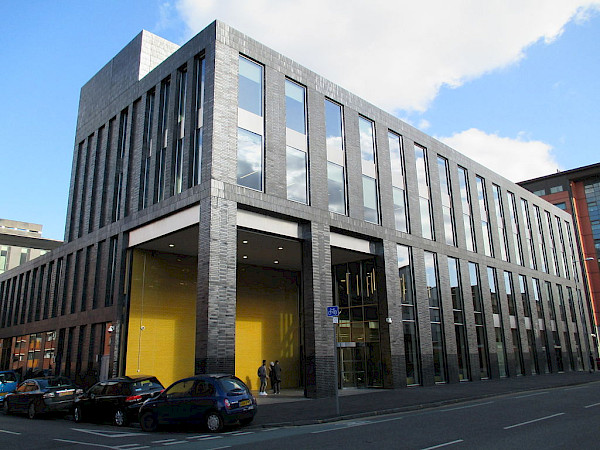
Manchester Metropolitan University has come out as the overall winner for a record 4th time following consistently high performance across the history of the People & Planet University League. They also scored highly for their energy sources and carbon reduction after investing in a major heat decarbonisation retrofit project to replace gas-fired heating systems and a Combined Heat and Power system with highly efficient electric ground and water source heat pumps.
New universities, formed after the 1992 higher education reforms, continue to lead the way in sustainability in higher education with 8 in the top 10 places. These institutions have often been early adopters of actions like ending recruitment links with fossil fuel companies and divesting from the border industry.
One such example is Bath Spa University, formed in 2005, which has risen 45 places to finish in 2nd place. This follows their commitment this year to divest from companies complicit in the border industry, as well as ending recruitment for companies involved in the fossil fuel industry.
Just 3 Russell Group universities scored a 1st class award this year, down from 6, 2 years ago. The University of Oxford has jumped 30 places and keeps a 2:1, while the University of Cambridge has jumped 10 places from a 3rd to a 2:2.
Half of all Welsh institutions are now scoring firsts following going fossil free. Half have also committed to ending recruitment ties through committing to Fossil Free Careers. The University of South Wales, originally named South Wales and Monmouthshire School of Mines, epitomises the shift away from fossil fuels being seen in Welsh higher education with its recent commitment to stop advertising jobs in the fossil fuel and mining industries.
While over 75% of the university sector has now committed to divesting from fossil fuel companies, a disappointing 6% of these are able to demonstrate their investment portfolios are fully fossil free.
Laura Clayson, Campaigns Manager Climate Justice: “A phenomenal 79% of UK universities have publicly committed to exclude fossil fuel companies from their investments. But with only 58% enshrining this into policy and a paltry 6% being able to evidence implementation, we demand urgent action. The shift in sector investment strategy is a direct result of the collective efforts of students, often in coalition with staff. Together they have demanded divestment from injustice as an act of solidarity with the communities resisting fossil fuel extraction on their lands and those impacted by the climate crisis. These commitments must be honoured for justice to be fulfilled and for the trust in institutional democracy not to be eroded. We look forward to reality reflecting rhetoric in next year’s League.”
Josie Mizen, Co-Director Climate Justice: “We’re delighted to see a growing number of universities cutting their ties with the fossil fuel industry - the industry most responsible for fuelling the climate emergency. We know that a just transition away from fossil fuels also requires an end to the funnelling of graduates into this dead-end industry, so we’re extremely encouraged by the fact that a record number of universities have committed to banning recruitment for these destructive companies over the past 12 months. Students standing in solidarity with workers and frontline communities have made this progress possible - we look forward to many more universities making similar commitments over the coming year.”
Andre Dallas, Co-Director Migrant Justice: As government policy continues to double-down on the scapegoating of migrating people, it is inspiring to see students and workers taking a stand to demand an alternative future characterised by compassion rather than cruelty. With billions being poured into militarised borders and dystopian surveillance technologies, the growing trend of universities turning their back on this deadly industry should act as a beacon guiding other institutions to follow suit and refuse to remain complicit in the violence of the increasingly hostile environment.
Jack Ruane, University League Manager: ‘88% of students think their place of study should actively incorporate and promote sustainable development, so universities need to meet this demand if they want to attract this generation of young people. In this way, investments in sustainability are crucial for the long-term health of universities.’